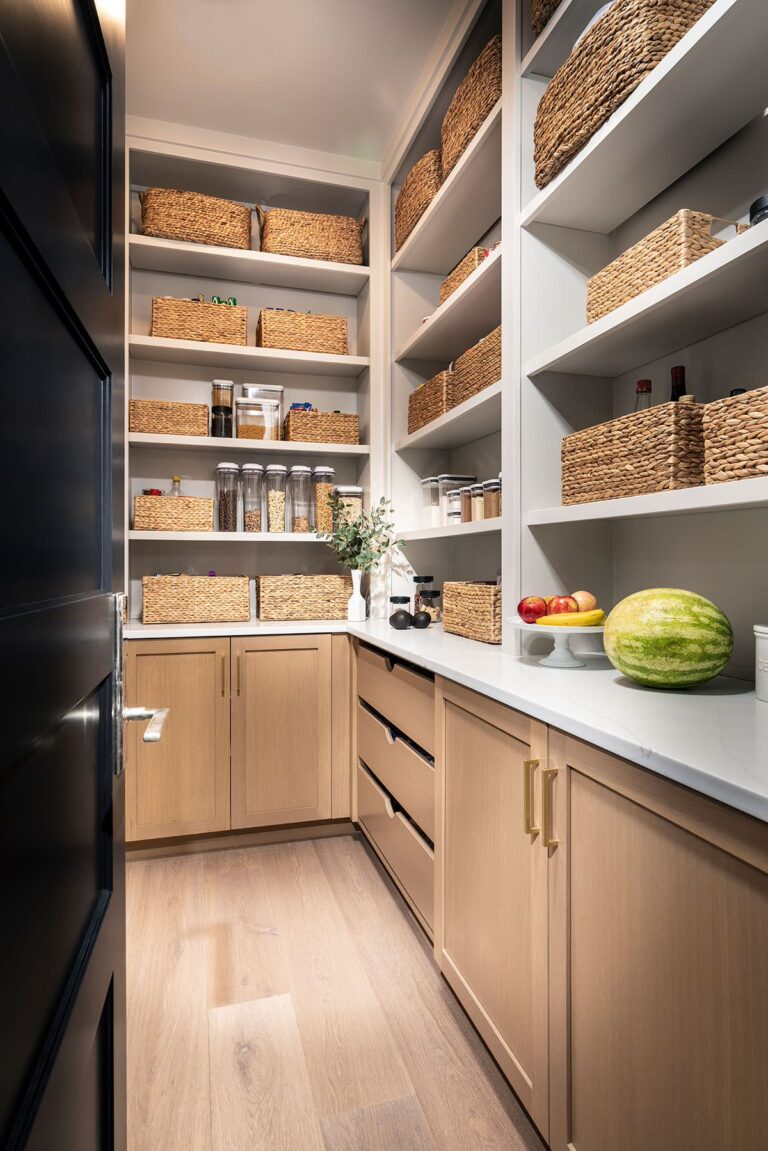

You open a deep drawer and there they are — every spice jar perfectly visible, every snack bag neatly corralled, every can label facing forward. That’s the magic of well-designed pantry drawers. Unlike fixed shelves that hide items in the back, drawers glide out to reveal everything at once, turning chaos into calm with one smooth pull. You’ll love how they transform frustrating corners into accessible treasure chests, like discovering hidden compartments in an antique desk.
From custom pull-outs inside existing cabinets to freestanding drawer units, from labeled containers to clear bins, these pantry drawers ideas will inspire you to rethink how you store your food. Imagine never again losing a can of beans behind a tower of pasta boxes, or digging through a dark corner for that one spice. With the right drawer system, your pantry becomes a model of efficiency and beauty — every item visible, every inch used, and every trip to the kitchen a small joy.
Slide & Simplify: Pantry Drawers Inspirations from the Pinterest Trail
1. Drawers in Disguise – Open Pantry with Hidden Pull-Outs
Look closely at this open pantry and you’ll spot the secret: deep pantry drawers hidden behind the front panels, holding lots of food without cluttering the visible space. You’ll love how the drawers pull out to reveal canned goods, bags, and boxes, then push back in to keep the room looking calm and curated. It’s like a magician’s cabinet, but for groceries.
Incorporating pantry drawers into an open shelving unit gives you the best of both worlds: the beauty of displayed items on top, and the hidden efficiency of pull-out storage below. Use the drawers for less photogenic items like bulk flour or backup condiments, keeping your open shelves tidy.
2. Drawer Overload – White Cabinets with Deep Pull-Outs
Open a white cabinet door and instead of fixed shelves, you find a series of deep pantry drawers gliding out, each one filled with organized food. This retrofit transforms standard cupboards into efficient storage powerhouses. You’ll appreciate how the drawers bring everything to you — no more kneeling and reaching into dark corners, like foraging in a well-tended root cellar.
Converting standard cabinets to pantry drawers is a game-changer. Measure your cabinet interior, then install full-extension drawer slides and custom-built boxes. The investment pays off every time you pull open a drawer to find every can and jar perfectly visible.
3. Basket Drawers – Woven Pull-Outs for a Rustic Pantry
Pull open a basket that acts as a pantry drawer, filled with food and lined up two deep inside a rustic pantry. The woven texture adds warmth while the sliding function adds convenience. You’ll love how the baskets corral like items together — potatoes in one, onions in another, bags of pasta in a third — all easily accessible, like harvesting from a well-organized garden shed.
Baskets on pull-out shelves or slides are a charming alternative to traditional pantry drawers. Choose sturdy, flat-bottomed baskets that can slide without catching. Label each basket with a tag, and group similar items. The result is both beautiful and functional.
4. Container Drawers – Clear Bins in Every Pull-Out
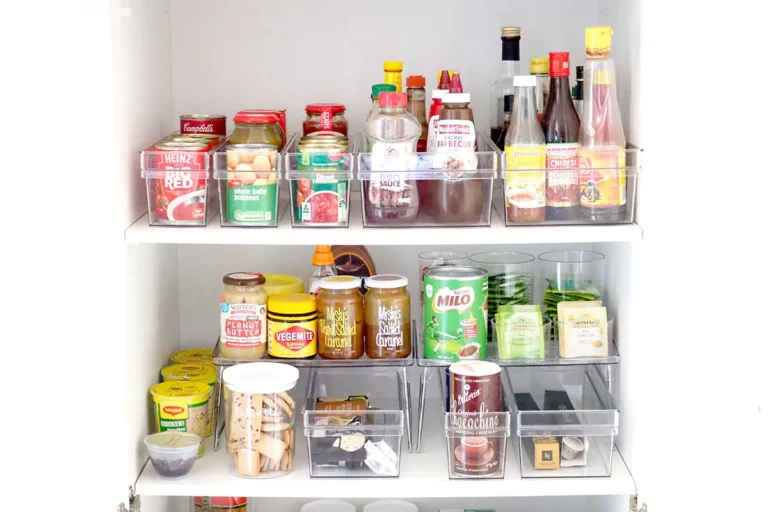
See everything at a glance with pantry drawers fitted with clear containers that hold lots of food. The transparency means no guessing — you can spot low supplies immediately, like looking into a clear stream. You’ll appreciate how the containers keep like items together and prevent small packages from getting lost in the depths of the drawer.
Clear containers are the perfect partners for pantry drawers. Choose rectangular bins that fit the drawer’s dimensions exactly. Use them for snacks, baking supplies, or small packages. When everything is visible and contained, your pantry drawer becomes a model of efficiency.
5. Shelf & Drawer Combo – Best of Both Storage Worlds
Mix fixed shelves with pull-out drawers in an organized pantry that holds lots of food in baskets and bins. This hybrid approach gives you open access for frequently used items and hidden storage for backups. You’ll love how the pantry drawers slide out to reveal deep storage, while the shelves above display your prettiest jars, like a landscape with both open fields and hidden valleys.
When designing your pantry, reserve lower cabinets or the bottom section of a tall unit for pantry drawers. They’re easier to access than deep lower shelves. Use upper shelves for lightweight, everyday items. The combination is ergonomic and efficient.
6. Drawers Beside the Fridge – Pull-Out Pantry Perfection
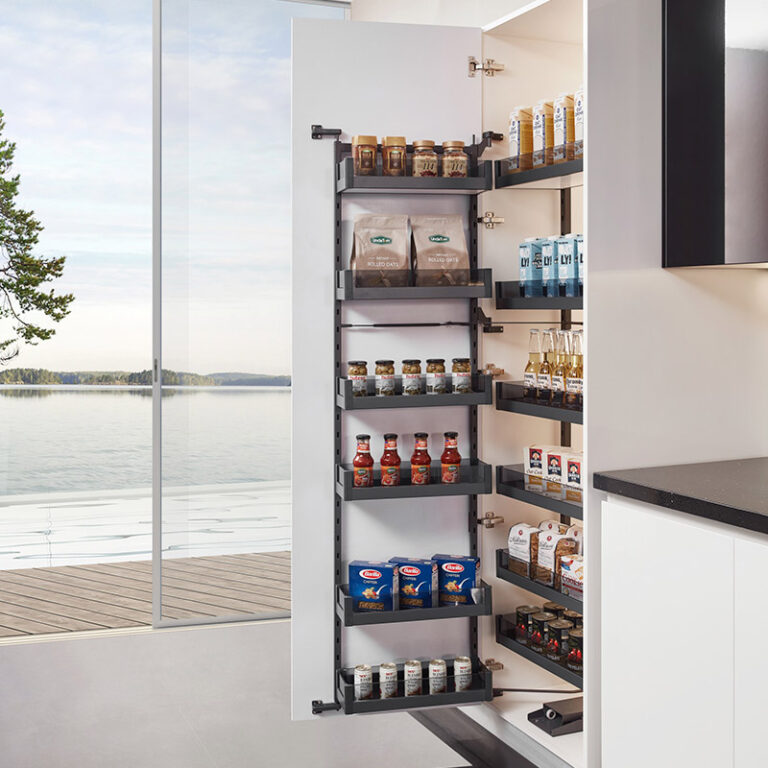
Slide open a tall, narrow pantry drawer located right next to the stainless steel refrigerator. These slim pull-outs are perfect for canned goods, spices, or condiments — everything visible in one narrow column. You’ll appreciate how they turn an unused gap into valuable storage, like discovering a hidden spring in a dry meadow.
Slim pantry drawers (6–12 inches wide) are lifesavers in small kitchens. Install them in any narrow space between appliances or walls. Use them for spices, oils, or cans. The vertical pull-out makes every inch count, and the contents are always front and center.
7. Under-Counter Drawers – Pull-Outs Below the Work Surface
Bend down and pull open a deep pantry drawer located under the counter, filled with neatly organized food. This placement keeps your most-used dry goods close to the prep area — no walking across the kitchen for flour or sugar. You’ll love how the drawer slides out to create a temporary staging area, like a workbench appearing from beneath a forest floor.
Under-counter pantry drawers are ergonomic genius. They’re easier to access than lower cupboards because you don’t have to kneel and peer inside. Use them for baking supplies, potatoes and onions, or bulk items. The counter above remains clear for food prep.
8. Layered Drawers – Baskets Inside Pull-Outs
Open one pantry drawer and find it subdivided with baskets and smaller containers, each holding different types of food. This layered approach prevents items from shifting and keeps categories separate. You’ll appreciate how the inner containers can be lifted out for cleaning or to reach the bottom, like opening a treasure chest to find smaller boxes of jewels.
For deep pantry drawers, use a system of inner containers. Small baskets hold spice packets, medium bins hold snack bars, and larger containers hold bags of rice or pasta. The drawers stay organized, and you can remove entire categories to the counter when cooking.
9. Visible Drawers – Glass-Front Pull-Outs
See inside before you pull with pantry drawers that feature glass fronts, allowing you to view the contents at a glance. This design is both beautiful and functional — the glass reflects light and shows off your organized containers. You’ll love how the drawers become part of the room’s decor, like a storefront display for your groceries.
Glass-front pantry drawers work best when the contents are uniform and attractive. Use matching glass jars, labeled bins, or neatly stacked cans. The effect is a pantry that looks as good as it functions, turning food storage into interior design.
10. Counter-Height Drawers – Easy Access Pull-Outs
Stand and pull, no bending required with pantry drawers installed at counter height, holding lots of items from cupboards to countertop. This ergonomic height is perfect for frequently used ingredients — coffee, tea, cereal, snacks. You’ll appreciate how you can see everything without stooping, like picking berries from a waist-high bush.
Install pantry drawers at different heights for different uses. Counter-height drawers (around 36 inches) are great for daily items. Lower drawers (12–24 inches) can hold heavier cans and bottles. Upper drawers (above 48 inches) are perfect for lightweight, less-frequently used items.
11. Dish Drawers – Gray Cupboards with Pull-Out Storage
Open a gray cupboard to find pantry drawers not just for food but for dishes, creating a hybrid storage solution. This approach keeps your kitchen streamlined — one unit holds both your dinnerware and your dry goods. You’ll love how the drawers glide out to reveal stacks of plates next to jars of pasta sauce, like a well-planned campsite where everything has its place.
Don’t limit pantry drawers to food only. Use them for dishware, linens, or small appliances. The pull-out access is just as useful for a stack of bowls as it is for a row of soup cans. Mix categories thoughtfully, keeping like items together.
12. Variety Drawers – One Pull-Out, Many Food Types
Pull open a single pantry drawer and find it filled with lots of different types of food, cleverly separated with dividers. This multi-category approach works well for small kitchens where every drawer must multitask. You’ll appreciate how the dividers keep beans from rolling into the soup packets, like planting different herbs in one long window box.
Adjustable dividers are essential for versatile pantry drawers. They let you change the configuration as your shopping habits change. Use them to separate breakfast items from baking supplies, or canned vegetables from fruits. The flexibility is liberating.
13. Drawer Tower – Floor-to-Ceiling Pull-Outs
Imagine a narrow tower of pantry drawers, stacked from floor to ceiling, each one filled with organized food storage. This vertical solution takes up minimal floor space while offering maximum capacity. You’ll love how the tower becomes a furniture piece, a pantry in miniature, like a spice cabinet that grew up to hold the whole grocery store.
A drawer tower is perfect for a small kitchen corner or an empty wall. Build or buy a tall unit with 5–8 deep drawers. Use the bottom drawers for heavy cans, middle for boxes and bags, and top for lightweight snacks. It’s a pantry in a footprint no wider than a broom.
14. Illuminated Drawers – Lights Inside Pull-Outs
Pull open a pantry drawer and a soft light automatically illuminates the contents. These pantry drawers with integrated LED strips make every item visible, even in deep shadowy corners. You’ll appreciate how the lights come on when you slide the drawer open, like opening a refrigerator but for your dry goods, turning late-night snack hunts into well-lit explorations.
Adding lights to pantry drawers is easier than you think. Battery-operated motion-sensor lights stick to the inside of the drawer frame. Or install LED tape along the drawer sides. The glow makes your organized bins and jars look like a museum display.
15. All Drawers, No Doors – A Kitchen of Pull-Outs
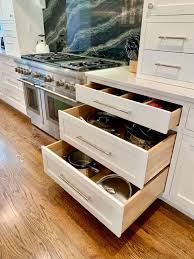
Reimagine the entire lower kitchen with wooden cabinets that are nothing but pantry drawers — no doors, no shelves, just rows of pull-outs. This design eliminates the “dark corner” problem entirely. You’ll love how every square inch becomes accessible, like a deck of cards fanned out for easy selection, no item ever lost in the back.
An all-drawer kitchen is the ultimate in accessibility. Use shallow drawers for utensils and spices, medium drawers for canned goods and jars, and deep drawers for pots, pans, and bulk items. The absence of doors means one motion to open and see everything.
16. Labeled Drawers – Words on Every Pull-Out
Read before you pull with pantry drawers labeled on the front — “Canned Vegetables,” “Baking Supplies,” “Snacks.” This simple addition saves time and keeps categories from drifting. You’ll appreciate how labels train everyone in the household (and yourself) to return items to the correct drawer, like signposts in a well-mapped forest.
Labels on pantry drawers are both practical and charming. Use a label maker for a clean look, or chalkboard labels for a rustic feel. Add a small icon or keep it text-only. The labeling system is especially helpful if multiple people use the kitchen.
17. Drawers Behind Doors – A Hidden Pull-Out Pantry
Open a door to find a full set of pantry drawers hidden behind it, turning a closet into an efficient food storage system. This approach keeps your kitchen looking sleek while offering maximum organization. You’ll love how the drawers fill the entire interior, using every inch from floor to top, like a secret compartment revealed behind a false bookcase.
If you have a dedicated pantry closet, fill it entirely with pantry drawers rather than fixed shelves. Install a floor-to-ceiling drawer unit, or build custom pull-outs that fit the space. The result is a pantry where nothing ever gets lost in the back.
18. Drawers Under the Counter – Workspace & Storage
Work above, pull below with a wooden countertop hiding pantry drawers underneath. This placement keeps your dry goods close to the prep area — open a drawer, grab flour, set it on the counter right above. You’ll love how the drawers tuck away completely when not in use, like a workbench that folds into a cabinet.
Under-counter pantry drawers are a no-brainer for kitchen islands or peninsulas. Use them for baking supplies, root vegetables, or bulk grains. The counter above remains a clean workspace, while the drawers keep ingredients at your fingertips.
19. Clear Container Drawers – See-Through Organization
Open a pantry drawer to find it filled with matching clear storage containers, each one holding a different food item. This uniform system is the gold standard of pantry drawers — everything is visible, stackable, and interchangeable. You’ll appreciate how the containers keep food fresh and prevent pantry moths, like preserving summer berries in glass jars.
Invest in a set of uniform clear containers for your pantry drawers. Look for square or rectangular shapes that maximize space. Label each container with its contents and expiration date. The upfront effort pays off every time you slide open a drawer to a perfectly organized vista.
20. Drawer Within a Drawer – Double-Decker Pull-Outs
Maximize vertical space with pantry drawers that have a second, shallower drawer inside them — a drawer within a drawer. This tiered system doubles your storage in the same footprint. You’ll love how the top drawer holds spice jars, and the deeper drawer below holds the backup bottles, like a hidden level in a video game revealed by pulling the first layer.
Double-decker pantry drawers are available as custom inserts or DIY projects. The top tray slides or lifts out to access the bottom. Use them for spices and oils (top) and canned goods (bottom), or for snacks (top) and bulk items (bottom).
21. Spice Drawers – A Pull-Out Rack for Every Jar
Open a shallow pantry drawer designed specifically for spices, with stepped tiers so every jar is visible at once. This dedicated spice drawer eliminates the need to rummage through a dark cabinet. You’ll appreciate how the labels face upward, making selection instant, like an apothecary’s herb chest organized by alphabet.
A spice drawer is a life-changing pantry drawer addition. Use a shallow drawer (2–4 inches deep) with custom inserts or small containers. Arrange spices alphabetically or by cuisine. The pleasure of cooking increases when you can find oregano without a treasure hunt.
22. Deep Drawers for Bulk – Stocked Pantry Pull-Outs
Pull open a deep, wide pantry drawer to find it stocked with lots of food — bulk bags of rice, multiple cans of tomatoes, family-size cereal boxes. These substantial drawers are for serious cooking households. You’ll love how the drawer slides smoothly even when fully loaded, like a well-balanced wagon carrying a harvest home.
For deep pantry drawers, invest in high-quality full-extension slides rated for heavy weight (75–100 lbs). The drawer box should be sturdy plywood or solid wood. Use these deep drawers for your largest and heaviest items: bulk flours, cases of broth, multiple oil bottles.
23. Drawer Ecosystem – A Complete Pull-Out System
Step back and admire an entire organized pantry built around pantry drawers — deep ones for cans, shallow ones for spices, medium ones for boxes and bags. This cohesive system makes every item accessible and visible. You’ll feel a sense of calm looking at the neatly arranged drawers, each one a chapter in the story of your kitchen, like a well-tended garden where every plant has its place.
When designing your pantry drawers ecosystem, think about your cooking habits. Group drawers by meal type (breakfast, dinner, baking) or by food category (grains, proteins, snacks). The system should work for you, not against you.
24. Bin Drawers – Wooden Pull-Outs for Rustic Charm
Slide open a wooden bin that functions as a pantry drawer, offering rustic charm with modern convenience. These pull-out bins are perfect for potatoes, onions, apples, or any produce that needs airflow. You’ll love how the wood patinas over time, becoming more beautiful with use, like a farmhouse table that records family meals in its grain.
Wooden bins as pantry drawers add warmth to any kitchen. Build them with gaps between slats for ventilation. Mount them on heavy-duty drawer slides. Use them for root vegetables, bulk garlic, or even bags of potatoes. The natural material is both functional and beautiful.
📦 The Drawer Architect’s Handbook: 6 Steps to Perfect Pantry Drawers
- 📏 Measure Twice, Design Once: Before building or buying pantry drawers, measure your space carefully — width, depth, and height. Consider the size of the items you’ll store: shallow drawers (3–6 inches) for spices and packets; medium (7–10 inches) for cans and jars; deep (11+ inches) for cereal boxes and bulk bags.
- Use Full-Extension Slides: Cheap drawer slides only open 3/4 of the way, leaving the back inaccessible. For pantry drawers, invest in full-extension slides (100% pull-out) with soft-close mechanisms. You want to see every last can, not hunt in shadows. This is non-negotiable for pantry success.
- 🧺 Add Dividers & Containers: Empty drawers become chaos magnets. After installing pantry drawers, add adjustable dividers or fill them with bins and containers. Subdivide categories: one bin for soup packets, one for rice mixes, one for baking chips. The dividers prevent the “drawer drift” that leads to mess.
- 🏷️ Label Everything Clearly: Labels on the front of each pantry drawer (or on the bins inside) save time and maintain order. Use a label maker for clean sans-serif, or chalkboard labels for a rustic look. Include both the category and an expiration reminder if needed. Labels turn a good system into a great one.
- 💡 Light the Interior: The deepest pantry drawers can be shadowy. Install battery-operated motion-sensor lights or LED tape inside the drawer frame. When you pull the drawer open, the light comes on automatically, illuminating every corner. It’s a small luxury that makes a big difference.
- 🔄 Keep Only What You Use: Once your pantry drawers are installed, fill them with intention. Before placing an item inside, ask: “Will I use this before it expires?” Donate unopened, unwanted food. An organized drawer of things you love is far more satisfying than a full drawer of maybes.
Frequently Asked Questions
Q: Are pantry drawers better than shelves?
Ans: For accessibility, yes. Pantry drawers allow you to see and reach everything without kneeling or rummaging. Shelves often hide items in the back. Drawers are especially superior for deep spaces. However, shelves are better for very tall items (like cereal boxes) or lightweight, frequently used items. Many pantries use both — shelves above, drawers below.
Q: How much weight can pantry drawers hold?
Ans: With quality slides and construction, pantry drawers can hold 75–150 pounds. Canned goods are heavy, so choose slides rated for at least 100 pounds. The drawer bottom should be 1/2-inch or thicker plywood. Don’t overload a single drawer — distribute weight across multiple drawers.
Q: Can I install pantry drawers in an existing cabinet?
Ans: Yes, absolutely. It’s one of the most popular kitchen upgrades. Remove the fixed shelves, install full-extension slides, and build simple drawer boxes. For a pantry drawers retrofit, measure carefully and consider hiring a carpenter if you’re not handy. The transformation is worth the effort.
Q: What’s the best material for pantry drawers?
Ans: Plywood (baltic birch or maple) is ideal for pantry drawers — it’s strong, stable, and resists warping. Avoid particleboard or MDF, which can sag under the weight of canned goods. For a budget option, use poplar or soft maple. The drawer fronts can match your existing cabinets.
Q: How do I organize a deep pantry drawer?
Ans: Use the “file system” or “container system.” For pantry drawers deeper than 10 inches, place items in shallow bins that you can lift out. Alternatively, store items upright like files — stand cereal boxes on their sides, or use narrow bins for packets. Never just toss items in; they’ll create a hidden layer of forgotten food.
Conclusion
You’ve slid through a world of pull-out potential — from narrow spice drawers and deep can bins to illuminated pull-outs and double-decker systems. Each of these pantry drawers ideas proves one simple truth: the way you access your food matters as much as the food itself. No more kneeling in dark corners, no more forgotten cans expiring in the back, no more frustration. With the right drawer system, your pantry becomes a model of visibility, accessibility, and calm. Every pull is a small pleasure, every organized row a tiny victory.
Now it’s your turn to measure your space and start planning. Order a set of full-extension slides, build a simple drawer box, or clear out an existing cabinet for a retrofit. Start with one drawer — maybe for spices or canned goods — and live with it for a week. You’ll be amazed at how much time and frustration that single pantry drawer saves you. Then build another. And another. Your perfect pantry is just a pull away. Go ahead and slide into better storage. 📦