
Imagine a schoolyard where learning spills outdoors—children’s hands in soil, noses filled with fresh herbs, eyes wide at sprouting seeds. A school garden becomes more than green space; it’s a living classroom that teaches patience, science, responsibility, and wonder. These school garden ideas blend education with nature, creating hands-on havens where lessons grow alongside vegetables and flowers. From raised beds for easy access to sensory corners that delight every sense, discover ways to transform school grounds into thriving ecosystems that nurture both young minds and the earth itself. In this guide, we’ll explore inspiring setups that make gardening accessible, joyful, and deeply educational for students of all ages.
Seedling Stories in Sunlit Soil
As morning light filters through leaves like golden threads, a school garden awakens with possibility—tiny seeds holding promises of growth that mirror children’s own journeys. These school garden ideas draw from earth’s patient wisdom, offering simple, engaging ways to root learning in nature’s quiet cycles.
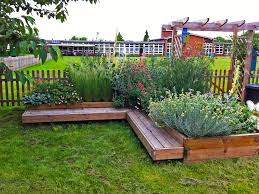
- Raised Bed Classrooms: Build wooden frames at child height like gentle hillsides, letting small hands reach easily to plant, tend, and harvest as if working in meadow clearings warmed by sun.
- Herb Spiral Wonders: Stack stones into a rising spiral that mimics ancient earth mounds, planting aromatic herbs in tiers where scents rise like prayers on canyon winds.
- Sensory Touch Zones: Dedicate corners to fuzzy lamb’s ear, spiky succulents, and smooth river stones, inviting exploration like fingers tracing textures in a sun-dappled forest floor.
- Compost Corner Laboratories: Create bins where scraps transform into black gold, teaching life cycles as vividly as watching leaves fall and return to nourish spring’s green surge.
- Pollinator Pathways: Plant native flowers in winding rows like nectar trails through wild meadows, drawing bees and butterflies to demonstrate interdependence in living systems.
- Tool Shed Learning Stations: Outfit small sheds with child-sized tools hanging like ornaments, turning maintenance into joyful ritual that honors earth’s caretaking traditions.
- Seasonal Story Circles: Arrange benches in circles around central plantings, creating gathering places where children share observations like elders recounting tales beneath ancient oaks.
- Rainwater Harvesting Rivers: Install simple barrel systems with spigots at child level, letting students water from collected rain like drawing from a gentle stream after storm.
- Wildlife Observation Hides: Build low willow tunnels or brush piles where children watch birds and insects undisturbed, fostering quiet reverence for the garden’s hidden inhabitants.
Rooted Lessons in Living Earth
Like a mighty tree sending roots deep before reaching for sky, building a thriving school garden requires deliberate steps that honor both soil and students. Follow this grounded path to cultivate spaces where education and ecology grow intertwined.
- Assess your schoolyard’s sun, soil, and water, mapping potential like charting fertile valleys in a new land for school garden foundations.
- Gather teachers, parents, and students to dream together, planting the first seeds of shared vision as communities once sowed fields in spring.
- Start small with raised beds or containers, letting early successes bloom like first wildflowers after winter’s rest.
- Involve children in every stage—planning, planting, caring—turning abstract lessons into tangible growth they can touch and taste.
- Incorporate curriculum ties: math in measuring beds, science in observing cycles, language in journaling plant progress like keeping nature’s diary.
- Build seasonal rhythms: spring planting, summer tending, autumn harvest, winter planning, mirroring earth’s own turning wheel.
- Create maintenance teams with rotating student roles, teaching responsibility as naturally as young trees learn to stand against wind.
- Celebrate harvests with class feasts or donations, closing the cycle by sharing abundance like ancient harvests given thanks.
A school garden is where abstract concepts become real—photosynthesis happens in the leaves students water, ecosystems reveal themselves through visiting pollinators, patience teaches itself through waiting for tomatoes to ripen. These spaces foster stewardship, curiosity, and connection to food sources while providing outdoor relief from classroom walls. Whether your garden grows vegetables for school lunches or flowers for joy, it becomes a living testament to education’s power when rooted in nature. As seasons turn and children grow alongside their plants, the garden quietly teaches its deepest lesson: that with care, time, and sunlight, anything can flourish.
1. Raised Beds with Colorful Plant Markers
Step into this organized beauty, you’ll love how neat raised beds stand like little cultivated meadows, each labeled clearly for young learners to identify plants easily. The bright markers add playful learning while the tidy layout makes tending feel manageable. You’ll cherish how this school garden setup invites children to take ownership of their green space.
Imagine your school adopting this clear, inviting system—where every bed becomes a small classroom, growing both vegetables and young gardeners’ confidence season after season.
2. Outdoor Kids Activities with Garden Play Structures
Discover this playful integration, you’ll delight in how garden beds mingle with climbing structures and sensory paths, blending learning with joyful movement. Children explore while planting, turning education into adventure. This school garden approach shows how nature and play can grow hand in hand.
Bring this energy to your schoolyard, and watch students rush outside not just for recess, but for the magic of growing things and growing themselves.
3. Creative Play Area with Living Willow Structures
Enter this living wonder, you’ll marvel at willow branches woven into tunnels and domes, creating natural playhouses that grow with the children. The green architecture feels alive, offering shade and secret spaces. This school garden idea captures imagination in every living arch.
Weave this enchantment into your grounds, and your school garden will become a place where fantasy and reality root together beautifully.
4. Simple Vegetable Beds with Mulch Paths
Appreciate this practical elegance, you’ll value how clean mulch paths separate orderly beds, making navigation easy for small feet while suppressing weeds. The straightforward design focuses attention on growing plants. These school garden basics create calm, productive spaces.
Implement this clean layout, and your school garden will feel welcoming and manageable, perfect for daily student involvement.
5. Growing Garden with Young Students Planting
Witness this joyful moment, you’ll smile seeing little hands carefully placing seedlings, faces full of concentration and wonder. The image captures the heart of school garden education—direct connection to growth. Every tiny plant represents possibility.
Capture this spirit in your program, and watch how planting becomes one of the most memorable lessons children carry forward.
6. School Garden with Raised Beds and Pathways
Explore this well-planned layout, you’ll admire how wide paths accommodate wheelchairs and groups, ensuring inclusivity. Raised beds at accessible heights invite all students to participate fully. This thoughtful design makes school garden accessible to everyone.
Design with inclusion like this, and your garden becomes a place where every child can dig in and belong.
Similar Posts
- Indoor Herb Garden Ideas for Healthy Family Meals
- Pink Garden Ideas for a Romantic and Dreamy Outdoor Space
- Garden Edging Ideas to Instantly Upgrade Your Yard
- Night Garden Ideas for Magical Evening Beauty
- Italian Garden Ideas for Timeless Mediterranean Elegance

- School Garden Ideas to Inspire Kids to Love Nature
7. Traditional Kitchen Garden with Herbs and Veggies
Savor this classic beauty, you’ll breathe deeply the promise of fresh herbs and vegetables growing in neat rows. The simple, productive layout teaches food origins directly. School garden ideas like these connect children to their meals’ beginnings.
Plant this tradition at your school, and harvest days will become celebrations of knowledge tasted and shared.
8. School Garden First-Year Success with Varied Plants
Reflect on this thriving first-year garden, you’ll see how diverse plantings create visual interest and educational opportunities. The healthy growth proves that starting small yields big lessons. This school garden journey inspires persistence.
Begin your own garden story similarly, knowing that even modest starts can flourish into something remarkable.
9. Step-by-Step Guide to Starting a School Garden
Follow this clear roadmap, you’ll appreciate the practical steps laid out like a garden plan—planning, planting, maintaining. The guide demystifies the process for beginners. These school garden instructions make starting feel achievable.
Use this blueprint, and transform your school’s empty space into a thriving educational ecosystem.
10. Amazing Garden Ideas with Creative Layouts
Marvel at these innovative designs, you’ll find inspiration in curved beds, themed zones, and artistic elements. The creativity shows how school gardens can be beautiful as well as educational. This collection sparks imagination.
Draw from this creativity, and design a school garden that delights both eyes and minds.
11. Farm-Style Garden with Wooden Structures
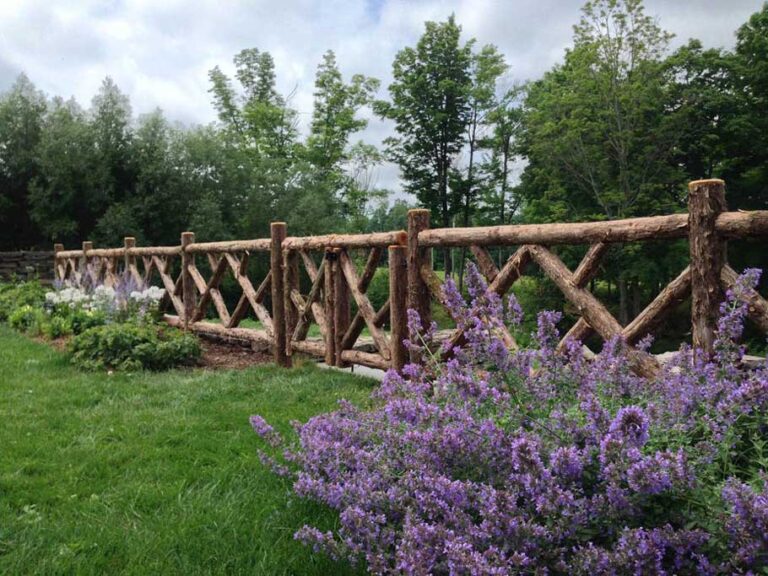
Embrace this rustic charm, you’ll love the wooden frames and natural materials that give the garden a farm-like feel. The authentic aesthetic connects children to traditional growing methods. School garden ideas here feel timeless.
Build this honest beauty, and your garden will teach respect for land and labor through every weathered board.
12. Farm Life Garden with Animal Visitors
Enjoy this lively scene, you’ll chuckle at chickens or other animals integrated into the garden space. The presence of livestock teaches responsibility and ecosystem connections. This school garden approach brings real farm learning.
Incorporate gentle animals if possible, and watch wonder multiply as children care for creatures and crops alike.
13. Class Gardening Project with Child Participation
Celebrate this group effort, you’ll feel warmed by children working together, hands in soil, faces bright with purpose. The collaborative energy makes learning social and joyful. School garden projects like this build community.
Organize similar group sessions, and watch teamwork grow alongside the plants.
14. Child-Friendly Garden with Accessible Features
Appreciate this thoughtful design, you’ll value features scaled for young gardeners—low beds, wide paths, easy tools. The child-centered approach ensures everyone can participate fully. These school garden ideas prioritize inclusion.
Prioritize accessibility like this, and create a garden where every child feels capable and valued.
Latest Posts
- Indoor Herb Garden Ideas for Healthy Family Meals
- Pink Garden Ideas for a Romantic and Dreamy Outdoor Space
- Garden Edging Ideas to Instantly Upgrade Your Yard
- Night Garden Ideas for Magical Evening Beauty
- Italian Garden Ideas for Timeless Mediterranean Elegance
- School Garden Ideas to Inspire Kids to Love Nature
15. Sensory Garden with Textured Plants
Experience this sensory delight, you’ll feel invited to touch, smell, and listen as plants engage every sense. The intentional design supports diverse learning styles. School garden ideas here nurture holistic development.
Develop sensory zones like this, and give children rich, multi-dimensional nature experiences.
16. Living Playhouse Made of Growing Plants
Step inside this magical structure, you’ll be enchanted by living walls of vines and branches forming a natural playhouse. The growing architecture teaches patience as it matures. This school garden feature captures pure wonder.
Plant your own living play space, and create memories that grow stronger with the structure itself.
17. Magical Garden Corner with Fairy Elements
Discover this whimsical nook, you’ll smile at tiny doors, fairy houses, and sparkling accents tucked among plants. The magical touches spark imaginative play alongside real gardening. School garden ideas here blend fantasy with nature.
Add a touch of magic like this, and watch children’s stories unfold right in the garden beds.
18. Back Porch Garden Extension with Containers
Extend learning outdoors, you’ll appreciate how container gardens on porches bring nature close to classrooms. The portable setups allow flexibility and year-round growing. These school garden ideas work even with limited space.
Use containers creatively, and bring the garden right up to your school’s doors.
19. How-to Guide for School Garden Success
Study this practical guide, you’ll value the clear steps from planning to harvest that make starting less daunting. The resource demystifies the process for educators. School garden success becomes achievable with this roadmap.
Follow similar guidance, and grow confidence along with your garden.
20. Garden with Artistic Layout and Features
Admire this artistic design, you’ll see how curving paths and focal points create visual flow and interest. The thoughtful layout makes the garden beautiful as well as functional. School garden ideas here inspire aesthetic appreciation.
Design with artistry, and teach students that beauty and function can grow together.
21. Spectacular Landscape Garden Inspiration
Draw inspiration from this masterful design, you’ll dream of incorporating professional elements scaled for school use. The spectacular beauty shows what’s possible with thoughtful planning. These school garden ideas reach for excellence.
Aim high like this, and create a school garden that inspires awe and learning in equal measure.
Frequently Asked Questions
Q: How do I start a school garden with limited space?
Ans: Begin with containers, raised beds, or vertical gardens in school garden setups, using windowsills, courtyards, or rooftops to grow herbs and vegetables where ground space is scarce.
Q: What plants work best for school garden projects?
Ans: Choose fast-growing, low-maintenance plants like radishes, sunflowers, beans, and herbs for school garden success, allowing children to see quick results and stay engaged throughout the season.
Q: How can a school garden support curriculum?
Ans: Integrate science through plant life cycles, math via measuring growth, and language arts with garden journals, making school garden activities natural extensions of classroom learning.
Q: What safety considerations matter for school garden?
Ans: Use non-toxic plants, secure tools, provide gloves and hand-washing stations, and supervise activities closely in school garden spaces to ensure safe, enjoyable experiences for all students.
Q: How do I maintain a school garden during holidays?
Ans: Create watering schedules with staff or families, use mulch to retain moisture, and plant drought-tolerant varieties to keep school garden thriving when students are away.
Conclution
As the school bell rings and children spill into the garden, hands already reaching for trowels and seeds, envision the lasting impact of this living classroom—lessons that take root deep, curiosity that grows wild, and stewardship that blooms year after year. These school garden ideas remind us that education flourishes most beautifully when connected to the earth itself, where science becomes tangible, responsibility becomes habit, and wonder becomes daily practice. From the first sprout pushing through soil to the final autumn harvest shared among friends, your school garden will quietly teach what textbooks can only describe. You’ve planted the possibility. Gather your seeds, recruit your helpers, and choose a sunny corner today—start small, tend with love, and watch your school garden become the most powerful classroom on campus, growing minds and hearts in equal measure.